
Where Movement Speaks Louder
What shapes our approach
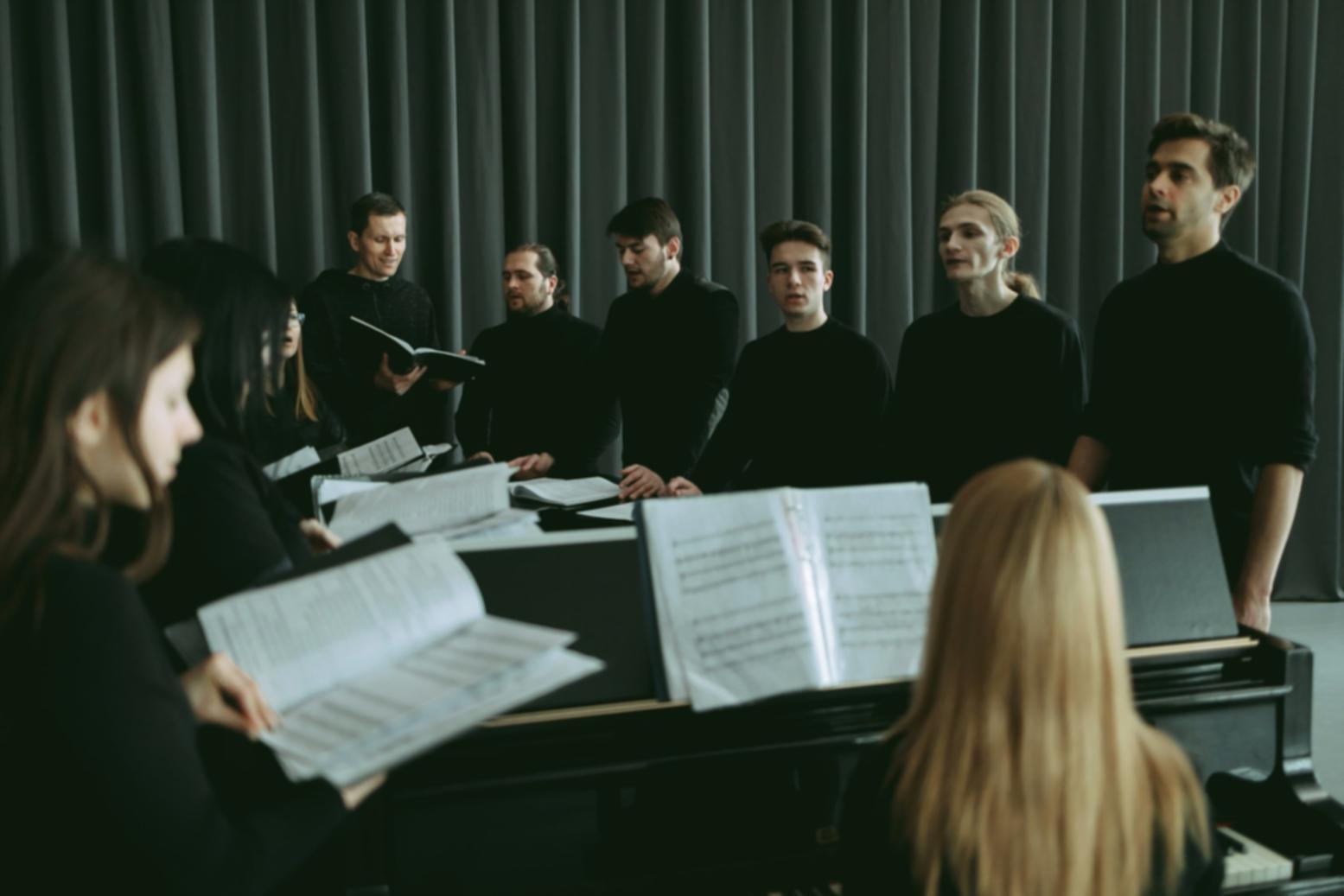
Physical theater demands precision in every gesture. We teach performers to communicate complex narratives through body language alone, eliminating reliance on spoken dialogue.
Each masterclass focuses on practical techniques that translate directly to stage work. Students learn to control breath, weight, and spatial awareness with the same rigor classical dancers apply to their craft.
Training built on real performance experience
Our instructors have performed in productions across Europe and understand what directors expect during auditions. They know which skills separate working performers from those still searching for their first contract.
Classes address the physical demands of eight-show weeks and the mental stamina required to maintain character consistency across long runs.
Technique that serves the story
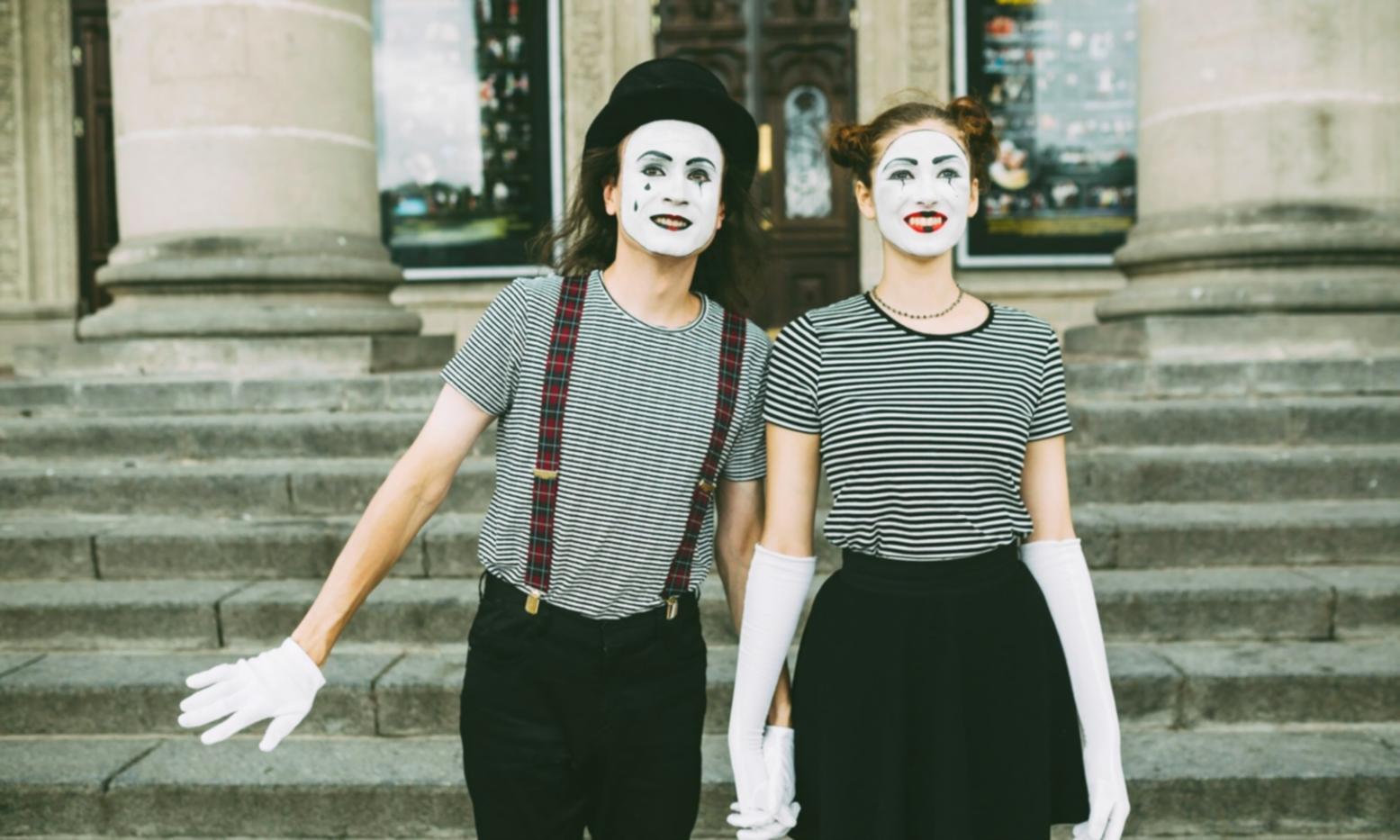
We avoid movement for its own sake. Every exercise connects to narrative purpose, whether building tension through stillness or releasing emotion through explosive action.
Participants learn to read their scene partners, adjust timing based on audience energy, and make split-second choices that keep performances alive rather than rehearsed.
How we developed this program
Initial curriculum design
Established core training modules based on contemporary European physical theater practices, focusing on techniques that work in small studio spaces and large proscenium stages alike.
Instructor recruitment
Brought together performers with active careers in physical theater companies, ensuring teaching reflects current industry standards rather than outdated methods.
Specialized workshops introduced
Added focused sessions on mask work, object manipulation, and ensemble choreography after students requested training in these specific areas.
Performance opportunities
Partnered with local theaters to provide showcase platforms where participants could apply techniques in front of live audiences with professional lighting and sound.
Curriculum adjustments
Modified pacing and progression after observing which concepts required more practice time and which students grasped quickly.
Guest artist series
Invited visiting directors and choreographers to lead intensive weekend sessions, exposing students to diverse movement vocabularies and creative processes.
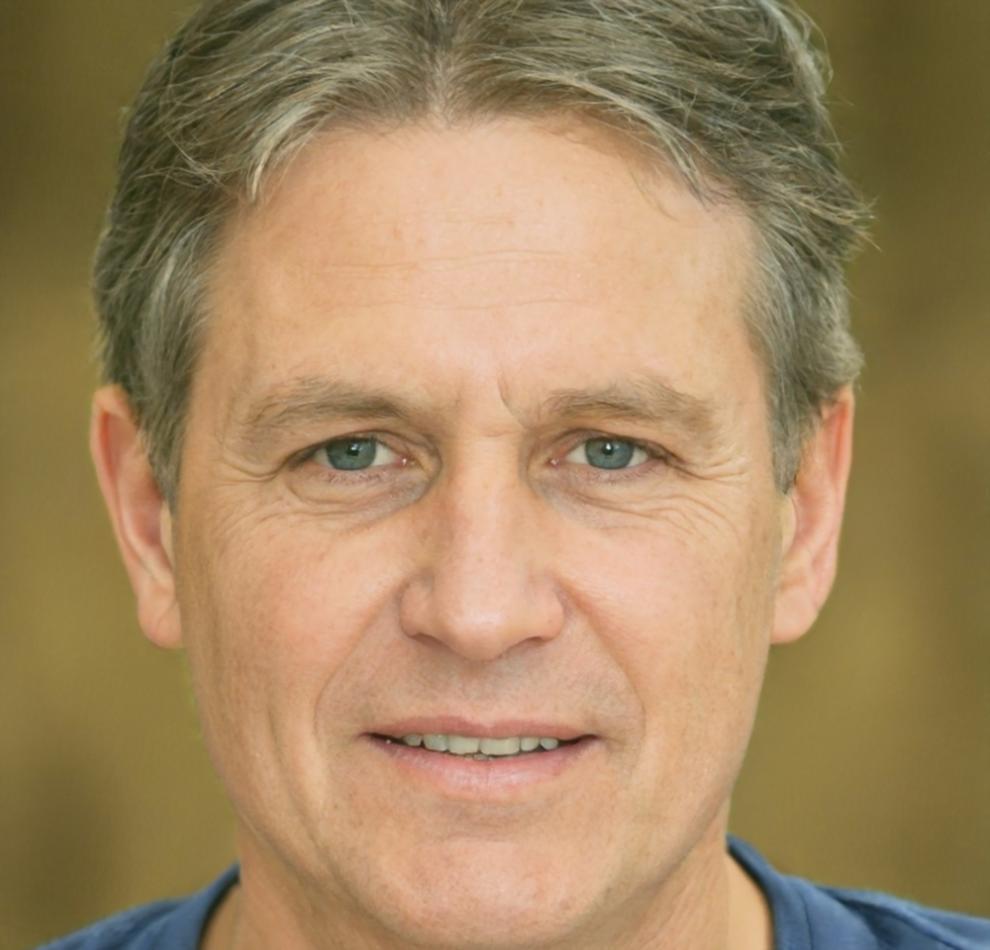
Leandro Thorne
Leandro trained at the École Internationale de Théâtre Jacques Lecoq and performed with Théâtre du Mouvement for 8years before transitioning to teaching. He specializes in neutral mask technique and physical comedy.
His classes emphasize economy of movement—finding the smallest gesture that communicates the largest idea. Students often describe his feedback as precise to the point of uncomfortable, but effective.
He believes physical theater training should be difficult enough to require genuine effort but structured enough that progress remains measurable week to week.